Aggregator Commission Is Eating Your Restaurant Margins: What Owners Can Do
Food delivery apps can bring customers, but 15–30% commissions quietly reduce every order's margin. Here is a practical way for restaurant owners to protect profits with direct ordering.
Dineezy Team
29 Aug 2026 · 3 min read

On this page8 sections
For restaurant owners, aggregator apps can feel essential. They put your menu in front of hungry customers and make delivery easy. But every order also carries a cost that is easy to underestimate: the commission.
When a platform takes 15–30% of an order, the impact is not limited to one line on a statement. It affects menu pricing, repeat business, cash flow, and how much money your restaurant keeps from each table.
The real cost of aggregator commission
Consider a ₹500 order. At a 25% commission, ₹125 goes to the platform before packaging, staff, ingredients, rent, taxes, and delivery-related costs are counted. If discounts are also funded by the restaurant, the effective cost can be even higher.
That may be an acceptable acquisition cost for a first-time customer. It becomes a margin problem when the same customer orders repeatedly but remains tied to the aggregator instead of your restaurant.
Why restaurant owners feel trapped
Aggregators solve discovery and convenience, so leaving them completely is rarely realistic. The better question is how to use them selectively while building a channel you own.
1. You do not own the customer relationship
The platform controls the customer experience, promotions, and much of the ordering data. Your team may fulfil the order without learning enough to bring that diner back directly.
2. Discounts hide the true margin
A discount can increase order volume while reducing contribution per order. Track net revenue after commission and promotions, not only the gross sales number shown in the dashboard.
3. Commission compounds over repeat orders
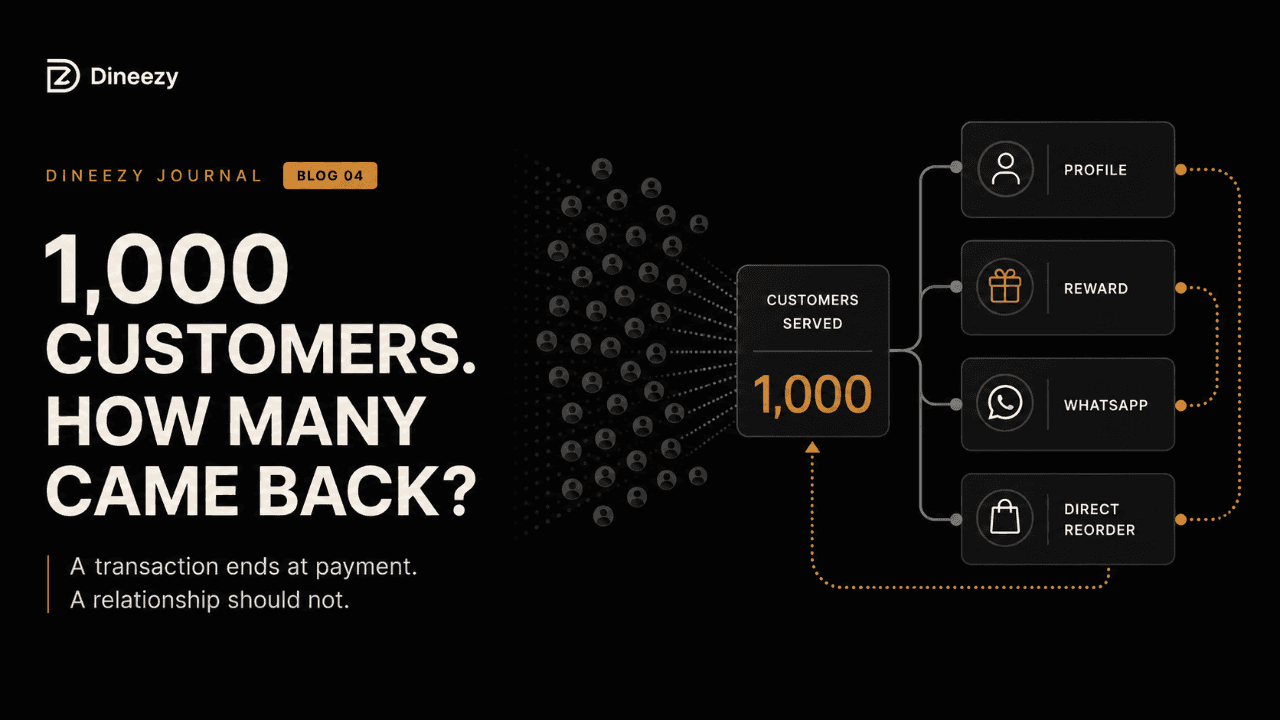
A customer who orders ten times through a high-commission channel can cost more than the original acquisition justified. Repeat diners are where direct ordering creates the biggest long-term difference.
A practical direct-ordering strategy
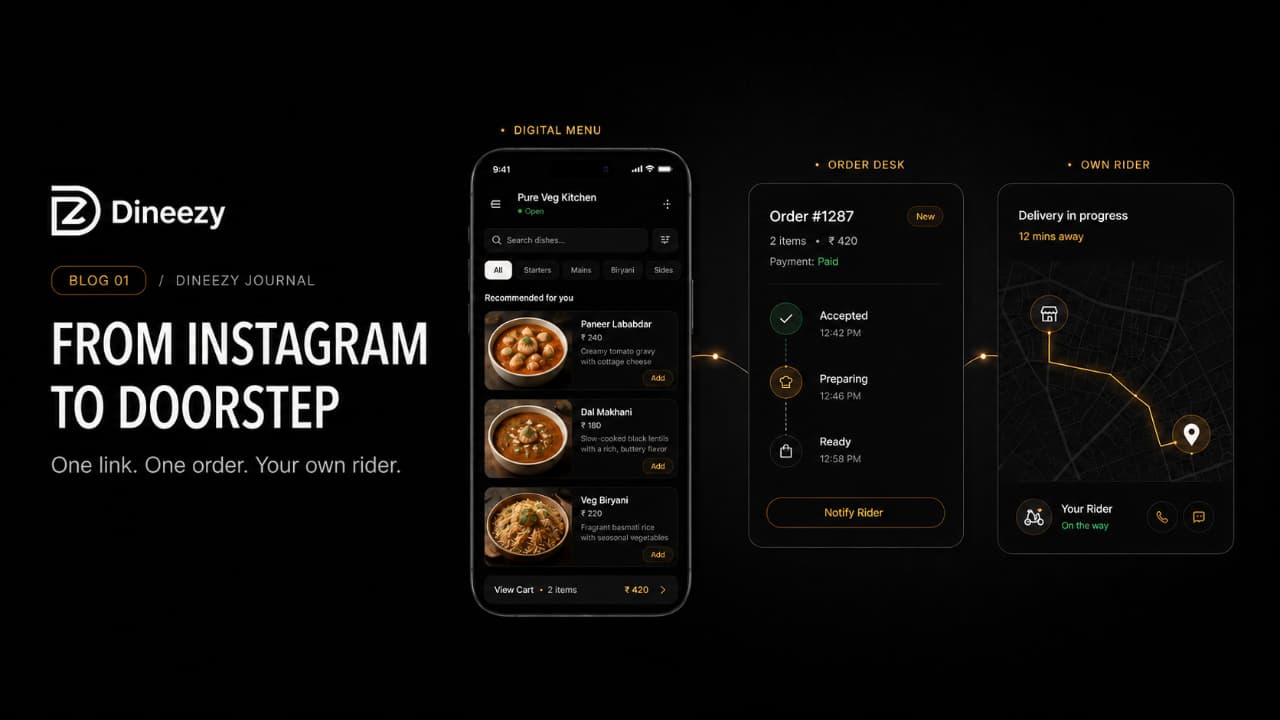
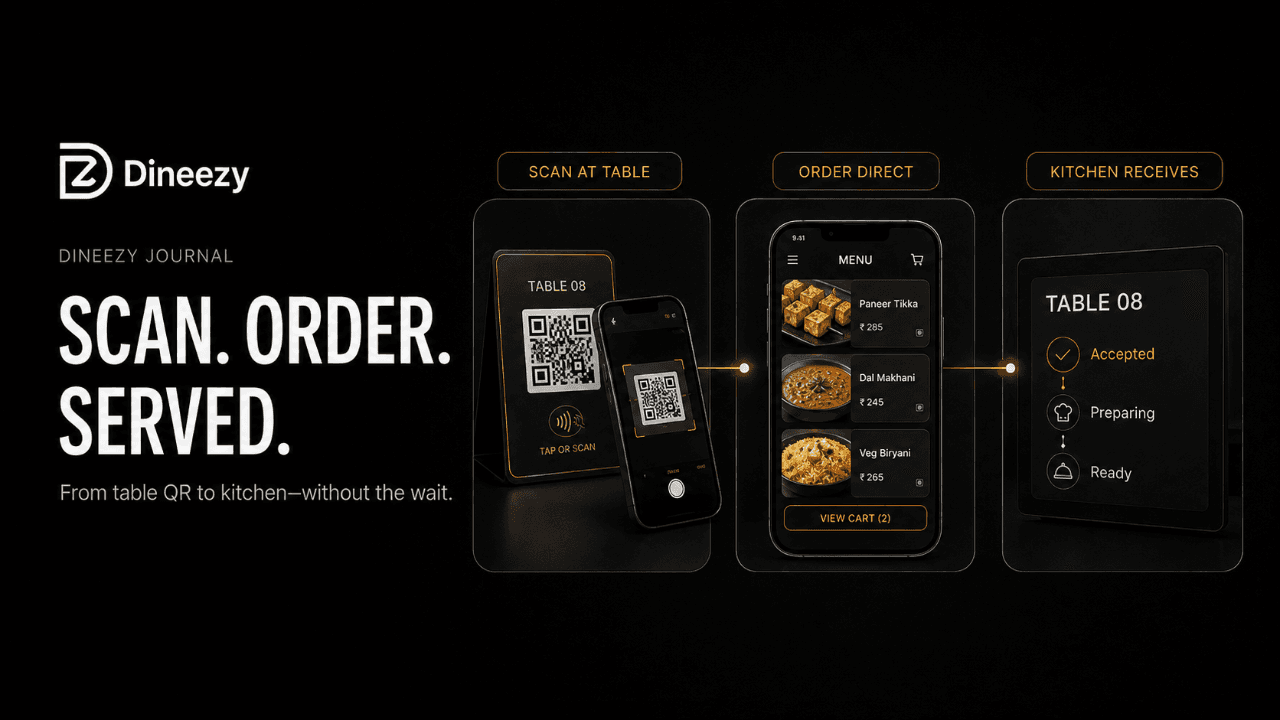
Keep aggregators for discovery, then make your own channel the easiest place for regular customers to return. A table QR code, a link in your social profile, a WhatsApp reminder, and a simple loyalty benefit can move repeat demand to a direct ordering page.
With Dineezy, customers can order directly from your restaurant while your team receives the order instantly. You keep control of the customer journey, see useful order data, and avoid giving away a large percentage of every repeat order.
How to measure the change
Compare net contribution per order, not just gross sales.
Track first-time and repeat customers separately.
Review direct-order conversion from QR codes and social links.
Measure repeat purchase rate and average order value every month.
The goal is not to stop every aggregator order overnight. It is to make each channel earn its place in your operating model.
Protect your margins without losing reach
Aggregator platforms can be useful marketing channels, but they should not become the only way customers can buy from you. A balanced strategy gives you reach when you need it and ownership when it matters.
If you want to see how direct ordering can fit your restaurant, book a demo with Dineezy.
Dineezy Team
Restaurant technology team